About Digitt Hype

The agency that shows its working

Data driven, results focused, proudly Pakistani — and willing to tell you when the answer is “do not spend that money yet.”

The Digitt Hype team reviewing campaign and analytics data together

Our story

We exist because the bar is on the floor

Almost every business owner we meet has an agency story. A guaranteed first-page ranking that never arrived. A report showing 312% growth with no starting number attached. An ad account they discovered they did not own. A website nobody could edit after the developer stopped replying.

Digitt Hype was built as the opposite of that experience. We write the scope down before we quote. We put tracking in before we spend. We hand over ownership of every account on day one. And when a client asks for something that will not work, we say so — which occasionally costs us the project and has never once cost us a client.

We are a small senior team in Pakistan working with clients here and abroad, across web, mobile, AI, paid media, POS & ERP and digital media.

See what that looks like in practice

Mission

Make growth measurable

To give businesses a version of digital work where every rupee has a number attached to it — what it bought, what it returned, and whether to spend it again next month.

Vision

Reset what “agency” means here

To be the agency in Pakistan people recommend because the reporting was honest, not because the pitch deck was pretty.

How we work

The data-first method, step by step

It is not complicated and it is not proprietary. Most of it is just refusing to skip the boring parts.

01

Write down where you are today

Sessions, conversion rate, cost per qualified lead, average order value, order accuracy, admin hours — whichever of these is actually your constraint. This is the number every later claim gets compared against. A report without a baseline is a slide, not evidence.

Why reach is not revenue

02

Scope it in writing, then price it

Page templates, custom functionality, integrations and content production — those four things drive the cost of almost every build. We itemise them, attach milestone dates, and state plainly who owns the code, the hosting and the accounts.

Estimate your own scope first

03

Instrument before you launch

Conversion events, UTM discipline, dashboards and a server-side fallback go live with the build, never after it. Tracking retro-fitted to a running campaign is how two people end up arguing about whose numbers are correct.

The measurement stack we use

04

Build in two-week sprints

Every sprint ends with something you can open in a browser. No black box, no six-week silence followed by a reveal. If a sprint slips, you hear it on the day it slips, not at the deadline.

What came out the other end

05

Report in decisions, not activity

Each monthly report ends with three things: what we are scaling, what we are cutting, what we are testing next. If nothing in the report changes what happens next month, we wasted your time writing it.

Read the before-and-afters

What drives us

Four things we will not trade away

These have cost us work. We are keeping them.

Principle 01

Data over opinions

Design choices, ad targeting, feature priority — all settled with numbers where numbers exist, and marked clearly as a guess where they do not. “I think it looks better” is a hypothesis, not a decision.

Principle 02

No guarantees we cannot control

Nobody controls Google’s index or an auction-based ad platform. Any agency guaranteeing a ranking or a fixed return is either being loose with language or planning to game a metric. We listed the other red flags too.

Principle 03

You own everything

Ad accounts, analytics property, domain, hosting, repository, design files. All of it is created under your name with us added as a user. Leaving should be an administrative task, not a hostage negotiation.

Principle 04

Automate the repetitive 70%

We build AI and automation to absorb the queries and admin that eat your team’s day — with a human escape hatch on every path. A bot that traps people is worse than no bot.

Our journey

How we got here

Four years, six verticals, and a great deal of arguing about attribution.

  1. 2022

    Founded

    Started with three clients and one rule: no claim goes in a report without a baseline behind it.

  2. 2023

    Web and AI verticals

    Grew to eight people and formalised web development and AI integrations as standalone practices. Crossed 15 delivered projects.

  3. 2024

    First large-scale automation

    Shipped a WhatsApp and web assistant handling 10K+ conversations a day for healthcare clients. The architecture is written up here.

  4. 2025

    Operations software

    Launched the POS & ERP division after one too many restaurant clients asked us to fix inventory with a marketing campaign. Passed 50 delivered projects.

  5. 2026

    Across three countries

    Serving clients in three markets, with startup MVPs and e-commerce platforms running side by side.

The numbers

Our own baseline

We hold ourselves to the same reporting standard we sell. These are ours.

50+ Projects delivered
30+ Clients served
98% Client retention
95% On-time delivery
4+ Years in operation
3 Countries served

The team

Built by specialists who stay close to the work

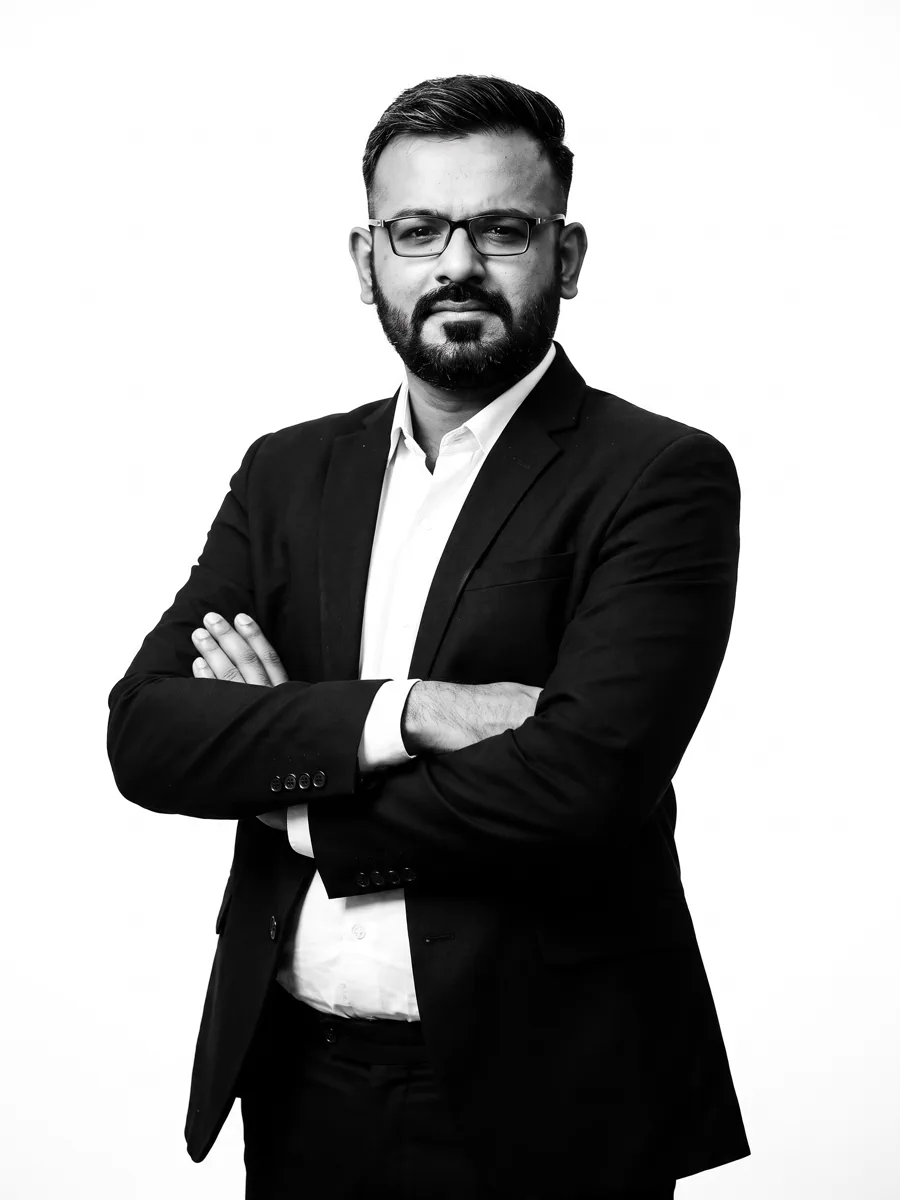
Portrait of Salman Ahmad

Salman Ahmad

Co-Founder & Chief Technology Officer

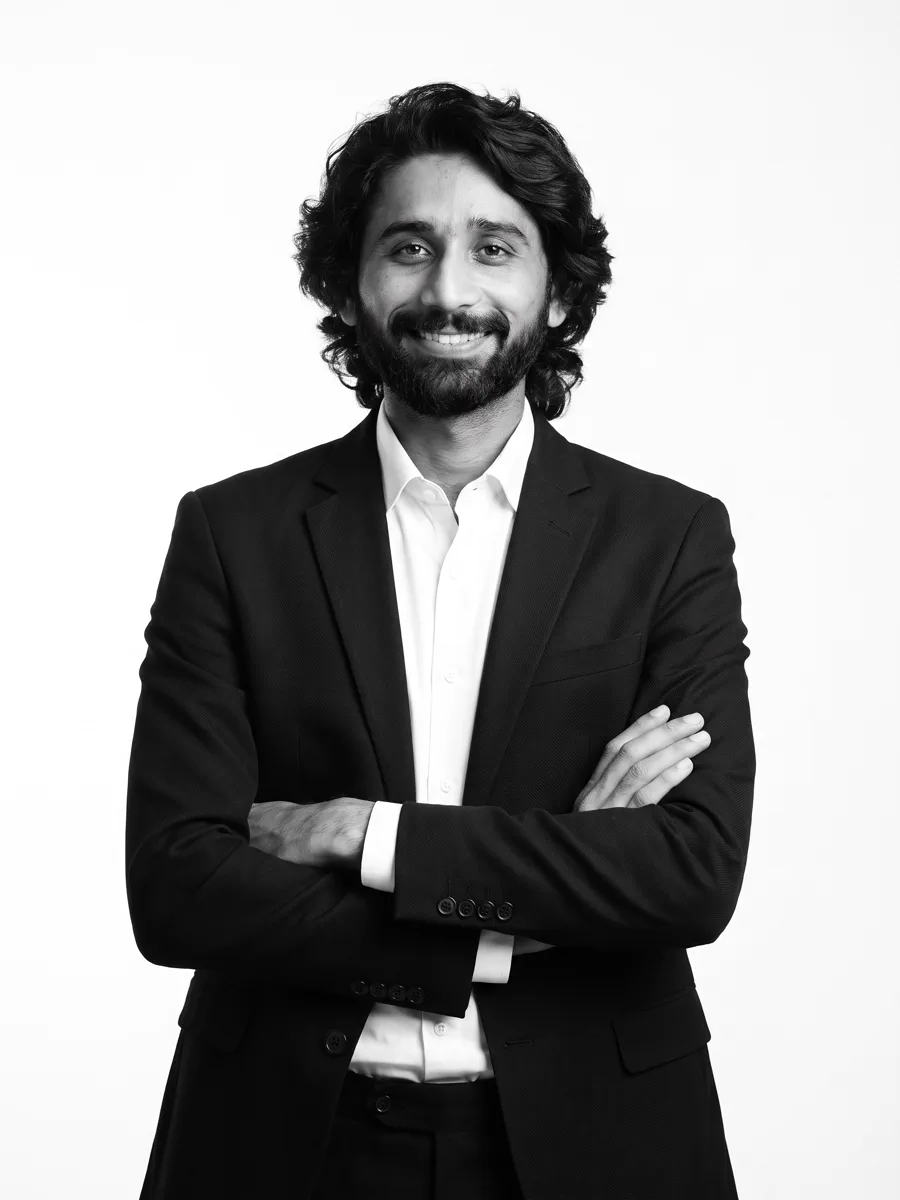
Portrait of Abdul Rehman

Abdul Rehman

Co-Founder & Head of Digital Media

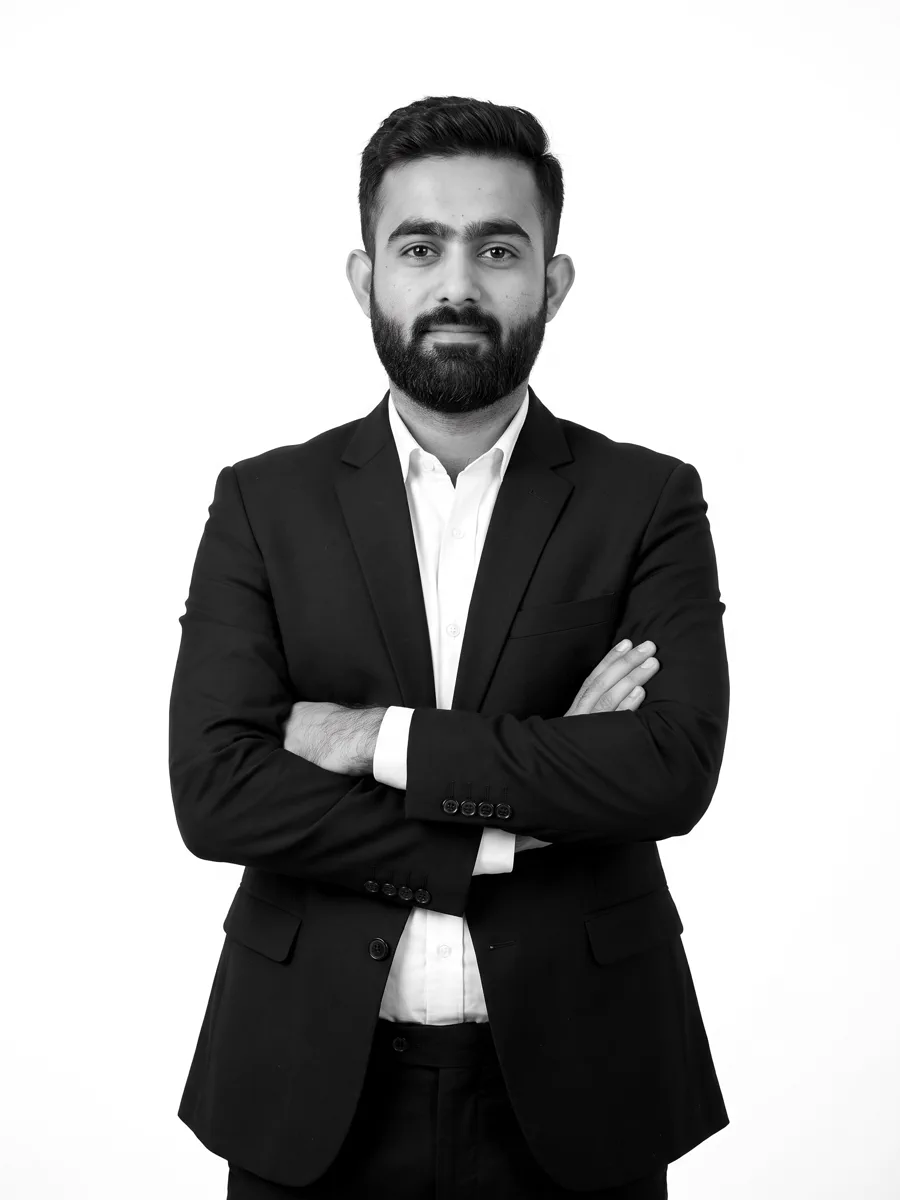
Portrait of Khurram Shehzad

Khurram Shehzad

Head of Production

Portrait of Fatima Sherazi

Fatima Sherazi

Head of Content

Portrait of Abdul Samad

Abdul Samad

Backend Developer

Portrait of Faseeh Khawaja

Faseeh Khawaja

Head of Graphic Design

Portrait of Salman Sajid

Salman Sajid

Front-end Developer

Portrait of Ikram Hussain

Ikram Hussain

Copywriting Expert

Let’s go

Tell us the problem. We’ll scope it honestly.

Worst case you get a written scope, a realistic timeline and a second opinion for free.

Start a conversation